
Editorial Verdict
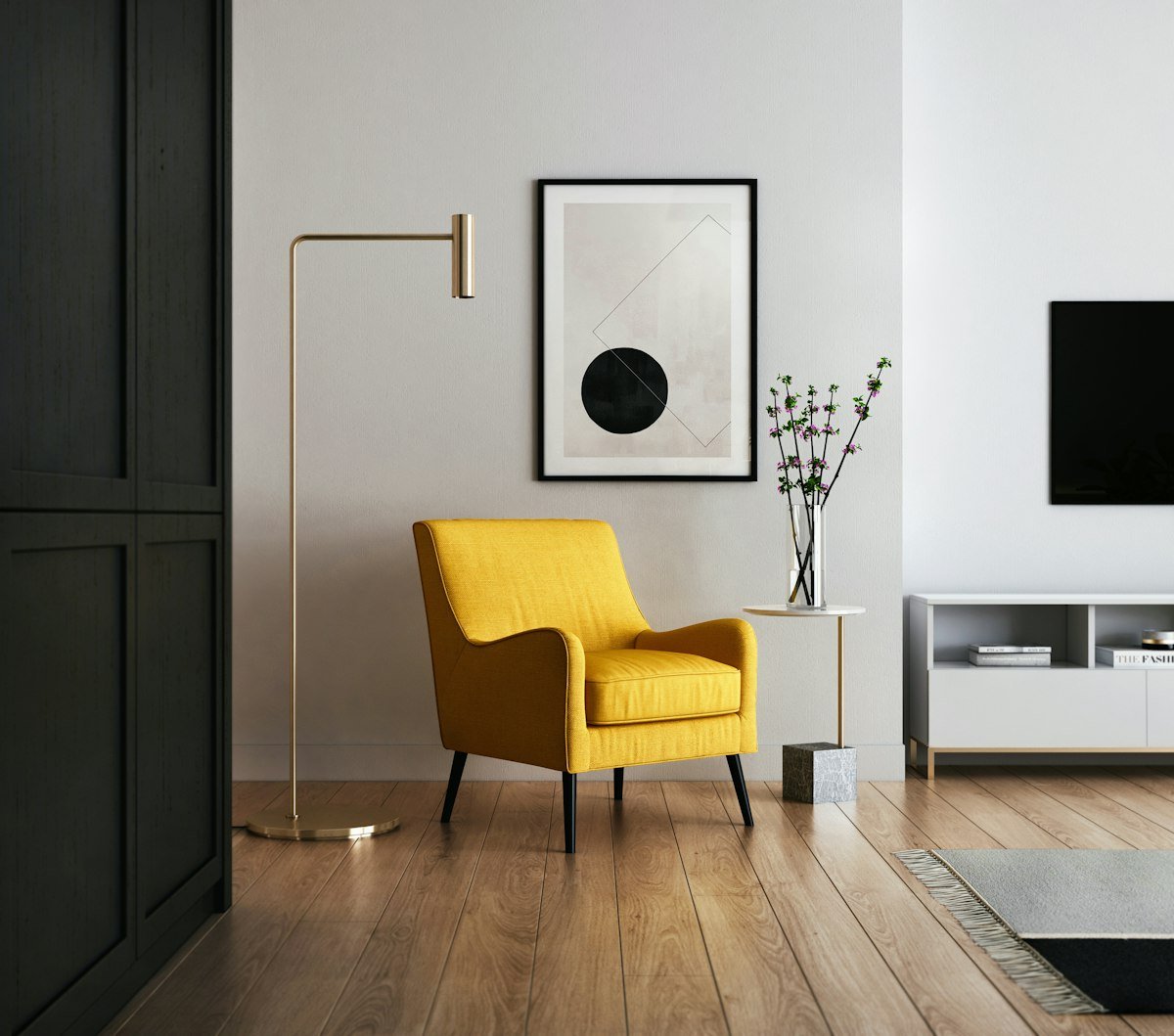
Scandinavian design is the art of creating spaces that nurture the soul through simplicity, natural materials, and the embrace of light in all its forms. Rooted in the Nordic concept of hygge — the quality of cosiness and comfortable conviviality — Scandinavian interiors achieve a warmth and democratically accessible beauty that has conquered the design world.
Rating: ⭐⭐⭐⭐⭐ (5/5) | Best For: Anyone seeking to create a calm, nurturing, and effortlessly elegant living environment
Born from Darkness, Designed for Light
To understand Scandinavian design, you must understand the Scandinavian winter. In Stockholm, December daylight lasts barely six hours. In Tromsø, Norway, the sun doesn’t rise at all for two months. This prolonged darkness has profoundly shaped how Nordic cultures relate to their interior environments — the home must be a sanctuary of warmth and light, a refuge that compensates for what nature withholds.
This necessity produced a design language obsessed with maximizing natural light: white walls that reflect every available photon, large windows left uncovered or dressed in sheer fabrics, and pale-toned wood floors that bounce illumination deep into rooms. Candles — a Nordic obsession that predates the design movement — provide ambient warmth during the dark months, their flickering glow creating the sense of hygge that is central to Scandinavian domestic life.
The Design Heritage
Alvar Aalto (Finland) pioneered the use of bent birch plywood in furniture — his Stool 60 (1933) remains the most produced piece of Finnish furniture, its stackable three-legged form a masterwork of democratic design. Arne Jacobsen (Denmark) created icons including the Egg Chair, the Swan Chair, and the Series 7 — pieces that defined mid-century modernism and remain in production through Fritz Hansen.
Hans Wegner designed over 500 chairs in his career, earning the title “Master of the Chair.” His Wishbone Chair (CH24) — with its steam-bent frame and hand-woven paper cord seat — is the single most recognizable piece of Scandinavian furniture, found in design-conscious homes worldwide.
Marimekko brought bold pattern and color to the Finnish design tradition, proving that Scandinavian design need not be exclusively neutral. Their Unikko (poppy) print, designed by Maija Isola in 1964, remains a cultural icon that bridges textile art and interior design.
The Contemporary Scandinavian Home
Today’s Scandinavian interiors have evolved beyond the mid-century archetypes while maintaining core principles. The palette has expanded from pure white to include warm greys, soft terracotta, and dusty pinks — colors that reference the Nordic landscape. Textures have multiplied: bouclé upholstery, sheepskin throws, hand-thrown ceramics, and linen bedding create layers of tactile comfort.
The living room centers on a low, comfortable sofa — typically in neutral fabric — surrounded by a curated selection of objects: a ceramic vase from Kähler, a wool throw from Klippan, a stack of art books, and always fresh flowers or branches. The arrangement is deliberately informal, inviting relaxation rather than impressing visitors.
The kitchen is treated as the heart of the home. Light wood cabinetry (birch, ash, or pale oak), open shelving displaying everyday ceramics, and surfaces that patina with use create environments that are warm, functional, and anti-precious.
Key Brands and Retailers
Muuto — The “New Nordic” leader, producing accessible furniture and accessories that honor Scandinavian tradition while embracing contemporary color and form. HAY — Danish design at democratic prices, with a product range spanning furniture, textiles, and kitchen accessories. Ferm Living — Contemporary Danish design with a graphic sensibility that appeals to younger homeowners. Normann Copenhagen — Bold, playful pieces that stretch the boundaries of Nordic design convention.
Frequently Asked Questions
Q: How do I achieve Scandinavian style on a budget?
A: Start with white walls, declutter ruthlessly, and invest in natural textiles (linen, wool, cotton). IKEA genuinely captures elements of Scandinavian design philosophy at accessible prices — particularly their solid wood and natural-fiber products.
Q: Is Scandinavian design the same as minimalism?
A: There is overlap, but Scandinavian design is warmer and more texture-focused than pure minimalism. Where minimalism can feel austere, Scandinavian design always prioritizes comfort and cosiness alongside visual simplicity.
Q: What colors work in a Scandinavian interior?
A: The foundation is white or very light grey. Accents are drawn from nature: soft sage greens, dusty pinks, warm terracotta, and deep navy. Wood tones provide warmth throughout.
Disclaimer: This article is an independent editorial review.