
Editorial Verdict
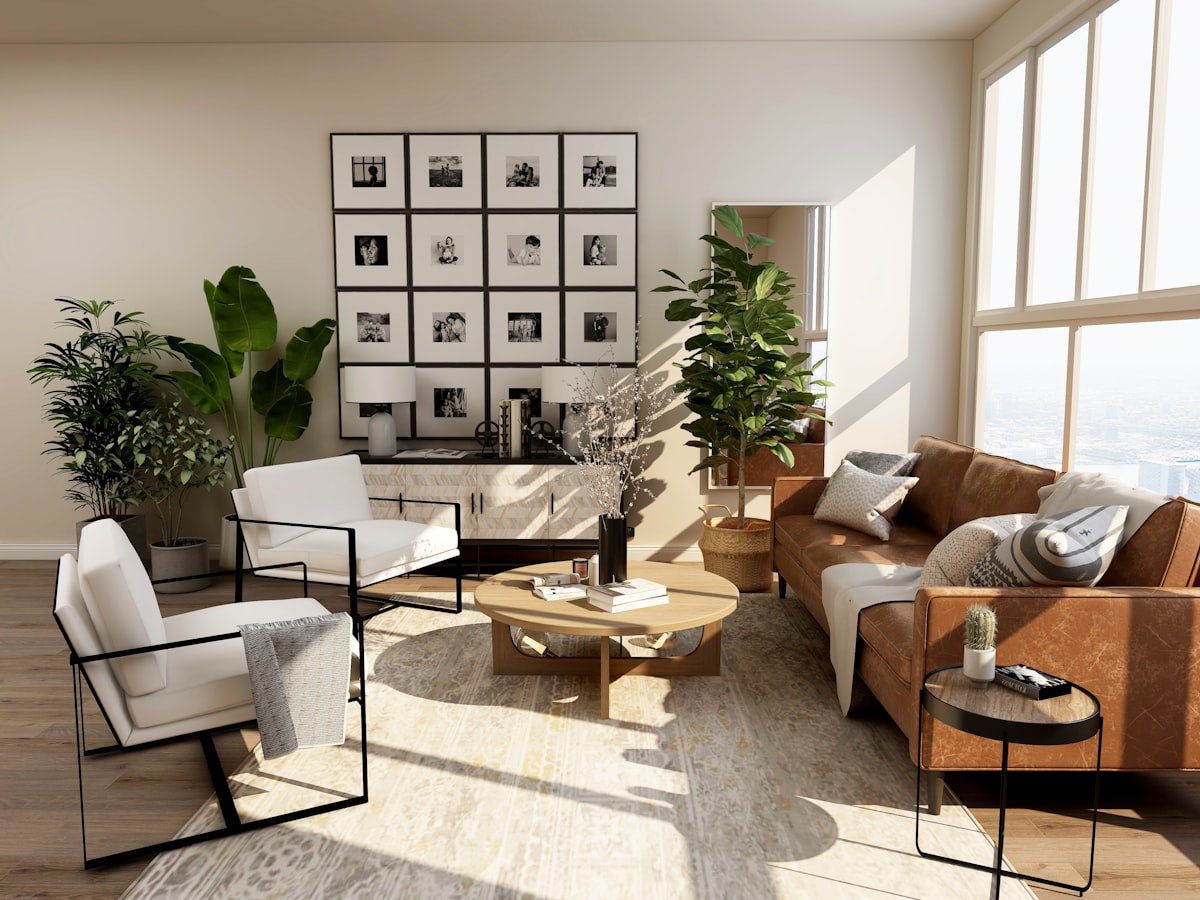
Modern minimalism in interior design is not about deprivation — it is about intentionality. By stripping away the unnecessary, minimalist spaces create room for what truly matters: natural light, considered materials, and the quiet luxury of uncluttered living. When executed with mastery, minimalist interiors are among the most emotionally resonant spaces one can inhabit.
Rating: ⭐⭐⭐⭐⭐ | Best For: Design-conscious homeowners seeking serenity and intentional living
The Philosophy of Less
Modern minimalism draws its intellectual foundations from multiple sources: the Japanese concept of ma (negative space as a compositional element), the Bauhaus principle that form follows function, and Dieter Rams’ dictum that good design involves “as little design as possible.” Together, these influences produce spaces where every object earns its presence and every surface serves a purpose.
The misconception that minimalism means cold, sterile environments persists despite decades of evidence to the contrary. The finest minimalist interiors — those by John Pawson, Vincent Van Duysen, or Claudio Silvestrin — are warm, tactile, and deeply human. Their apparent simplicity conceals extraordinary complexity in material selection, proportional refinement, and lighting design.
Materials: The Vocabulary of Texture
In minimalist interiors, materials do the speaking that ornament does in traditional design. A single wall of brushed plaster — hand-applied in multiple coats to achieve a surface that absorbs and reflects light with subtle variation — becomes the focal point of a room. A floor of wide-plank white oak, finished with matte natural oil, provides warmth and organic texture underfoot without competing for visual attention.
Natural stone — honed rather than polished, to reveal the geological character of the material — is the premium countertop and bathroom surface in minimalist design. Calacatta marble, with its bold veining on a white ground, provides visual drama within the restrained palette. Quartzite offers similar beauty with superior durability.
Concrete, once confined to brutalist structures, has found a refined place in minimalist kitchens and bathrooms. Micro-cement (tadelakt) applications create seamless, waterproof surfaces that combine industrial character with artisanal warmth. The material ages beautifully, developing a patina that enriches over time.
Furniture: Investment Pieces
The minimalist interior demands furniture of exceptional quality, because each piece is fully exposed — there is no visual clutter to distract from imperfections. This is where investment in design pays its highest dividends.
The B&B Italia Charles sofa by Antonio Citterio is the quintessential minimalist seating: clean lines, deep comfort, and a modular system that adapts to any room configuration. The Poliform Varenna kitchen system delivers flush, handleless cabinetry that achieves the seamless surfaces essential to minimalist kitchen design.
Dining tables in minimalist spaces often become sculptural centerpieces. The Zanotta 2320 Ambrosiano table — a single slab of solid hardwood on a minimal trestle base — exemplifies the principle that the beauty of a material, honestly presented, surpasses any embellishment.
Lighting: The Invisible Architecture
In minimalist design, lighting is architecture. Recessed linear LEDs, concealed behind reveals and within coves, create a wash of ambient illumination that appears to emanate from the architecture itself rather than from fixtures. This technique — pioneered by architects like Peter Zumthor — places the emphasis on the quality of light rather than the object producing it.
Where task or accent lighting requires a visible fixture, minimalist designers favor pieces that function as sculpture: the Flos IC Lights by Michael Anastassiades — a brass sphere balanced on a slender stem — or the Artemide Tolomeo desk lamp, whose articulated aluminum arms have made it the most ubiquitous designer lamp of the last 30 years.
Color: The Neutral Discipline
The minimalist palette is predominantly neutral — whites, greys, beiges, and blacks — but this limitation creates remarkable sensitivity to subtle tonal variation. The difference between a warm white (with yellow undertones) and a cool white (with blue undertones) becomes dramatic when it covers an entire wall. Benjamin Moore’s “Simply White” and Farrow & Ball’s “Pointing” occupy different emotional territories despite both reading as “white.”
Frequently Asked Questions
Q: How do I start making my home more minimalist?
A: Begin with decluttering — remove everything that doesn’t serve a clear purpose or bring genuine joy. Then assess what remains: invest in quality storage solutions to keep surfaces clear, and replace worn items gradually with well-designed alternatives.
Q: Is minimalist design expensive?
A: Minimalism can actually reduce overall spending by encouraging fewer, better purchases. However, the individual pieces tend to be more expensive because quality and craftsmanship are visible when there’s no clutter to hide behind.
Q: Can minimalism work with children?
A: Yes — minimalism with children prioritizes durable, washable materials, ample hidden storage, and resilient surfaces. The key is designing flexibility into the space rather than enforcing museum-like perfection.
Disclaimer: This article is an independent editorial review.