
Editorial Verdict
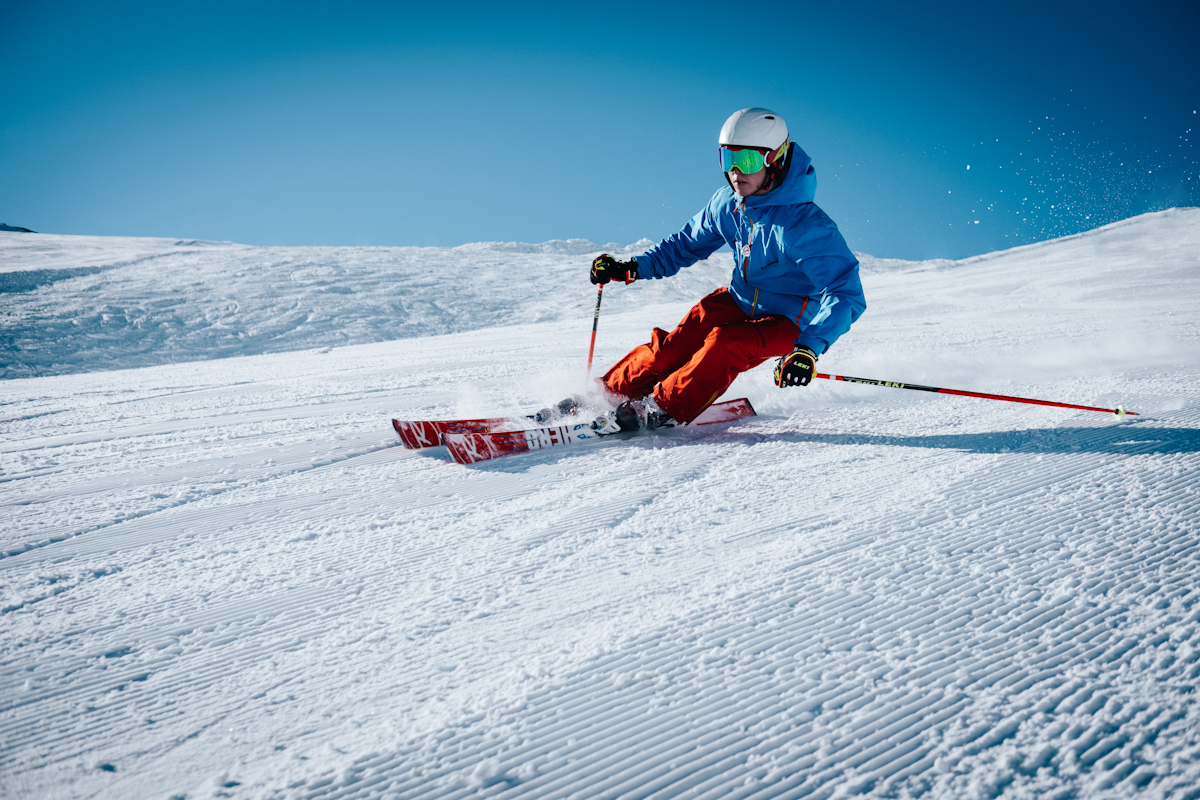
Alpine skiing is where engineering meets the mountain — a discipline where equipment technology can mean the difference between a transcendent run and a frustrating day on the slopes. From precision-engineered carving skis to boots that fuse comfort with power transfer, the modern ski industry offers extraordinary tools for every level of enthusiast.
Rating: ⭐⭐⭐⭐⭐ | Best For: Skiing enthusiasts seeking guidance on premium equipment and resort experiences
The Evolution of the Modern Ski
The transformation of skiing equipment over the past two decades has been nothing short of revolutionary. The shift from straight-cut skis to shaped (parabolic) designs in the late 1990s fundamentally changed the sport — turns that previously required advanced technique became accessible to intermediate skiers, while experts gained the ability to carve at angles that would have been impossible on traditional gear.
Today’s premium skis are composite engineering marvels, layering materials with the precision of aerospace components. A top-tier carving ski like the Atomic Redster S9i or HEAD Worldcup Rebels i.SL combines a wood core (typically ash or paulownia) for natural flex and vibration damping, fiberglass layers for torsional rigidity, titanal aluminum sheets for edge hold at high speeds, and a sintered polyethylene base that glides over snow with minimal friction.
Premium Ski Brands: The Hierarchy
Atomic — The Austrian brand owned by Amer Sports has dominated World Cup racing for decades. Their Redster line is the weapon of choice for technical skiers who demand maximum edge grip and responsiveness. The Bent line, conversely, caters to freeride enthusiasts with wider profiles and playful flex patterns.
Rossignol — The French heritage brand offers perhaps the broadest range of any ski manufacturer. The Hero Elite line delivers race-level performance, while the Experience series provides forgiving, all-mountain versatility that suits advancing intermediates.
Blizzard — The Austrian brand has earned cult status among expert skiers for its Brahma (all-mountain) and Rustler (freeride) lines. Blizzard’s TrueBlend woodcore technology creates progressive flex patterns that reward dynamic, committed skiing.
Boot Technology: Where Performance Begins
No piece of ski equipment impacts performance more than the boot. The interface between skier and ski, the boot must simultaneously provide rigid power transmission, precise lateral alignment, and sufficient comfort for six-hour days on the mountain. This is perhaps the most demanding brief in sports equipment design.
Tecnica Mach1 offers the benchmark in custom-fit technology. Its CAS (Custom Adaptive Shape) liner uses heat-moldable materials that conform to the exact topology of the skier’s foot, while the shell can be modified by a skilled bootfitter using grinding and punching tools. The result is a boot that fits like a bespoke shoe.
The Ultimate Ski Resorts
Zermatt-Cervinia — The Matterhorn ski paradise offers over 360 km of piste across Switzerland and Italy, with guaranteed snow from October to May thanks to glacier skiing at 3,883 meters. The Matterhorn backdrop is simply the most dramatic setting in alpine skiing.
Courchevel 1850 — The crown jewel of Les Trois Vallées, the world’s largest linked ski area. Courchevel combines 600 km of interconnected terrain with a concentration of Michelin-starred restaurants and luxury hotels that is unmatched in the Alps.
Frequently Asked Questions
Q: What ski length should I choose?
A: As a general rule, advanced skiers should choose skis that reach between chin and forehead height. Shorter skis are more maneuverable; longer skis provide more stability at speed. Consult a specialist retailer for personalized advice.
Q: How much should I spend on ski boots?
A: Boots are the single most important equipment investment. Budget $400-700 for a quality boot with custom fitting. A great boot on a mediocre ski will outperform a mediocre boot on a great ski every time.
Q: Is it worth buying skis or should I rent?
A: If you ski more than 7-10 days per year, owning your own equipment makes financial sense and provides the consistency of a familiar setup. For occasional skiers, high-end rental shops now offer premium demo equipment.
Disclaimer: This article is an independent editorial review.